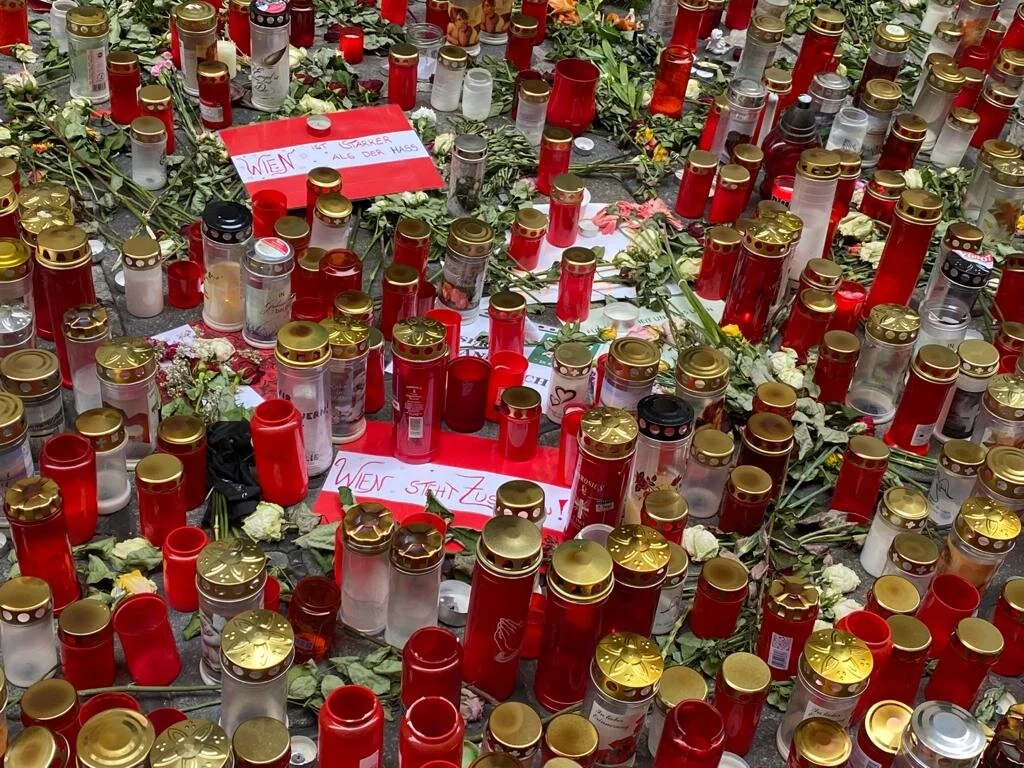
TERROR ATTACK IN VIENNA

TERROR ATTACK IN VIENNA

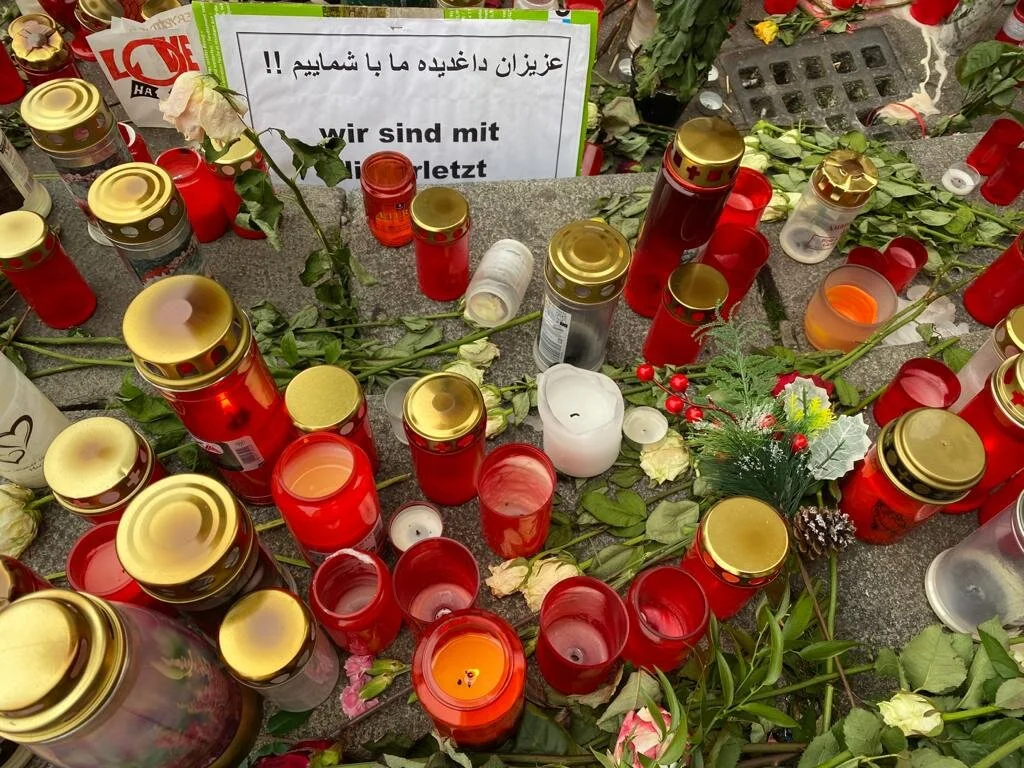
A few days ago, Austria and whole Europe were shocked by a terrorist attack in the heart of Vienna. It was not the first such attack, but it was a bloody one, with four civilians killed and twenty more wounded. It became clear pretty soon, that this murder had an Islamist background. The murderer was well-known to the police even beyond the Austrian border.

INTERESSE FÜR ÖSTERREICH DÜRFTE UNTER BIDEN SCHRUMPFEN: Viel Spielraum verspielt!

INTERESSE FÜR ÖSTERREICH DÜRFTE UNTER BIDEN SCHRUMPFEN: Viel Spielraum verspielt!

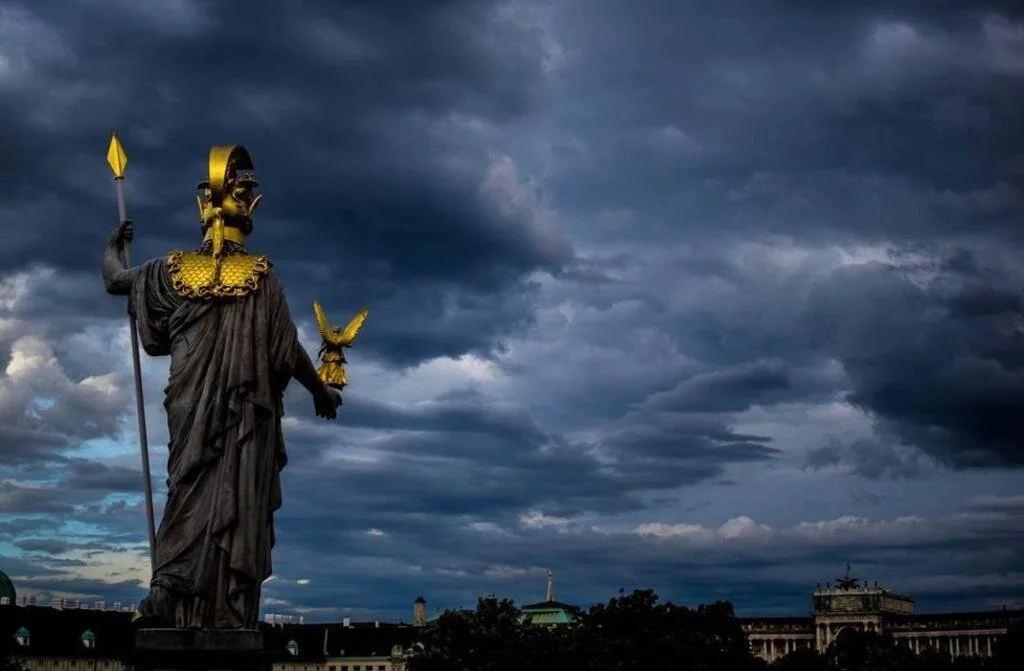
Österreich hat durch die Annäherung an die US-Regierung von Donald Trump in den letzten Jahren viel an außenpolitischem Spielraum verspielt und damit einen fliegenden Start nach dem Präsidentenwechsel in der USA versäumt. Durch die einseitige Positionierung etwa im Nahen Osten oder dem Iran-Streit hat Wien die Glaubwürdigkeit der Unabhängigkeit eingebüßt. Österreich ist nicht mehr am Radar der Biden-Administration, wenn überhaupt, dann negativ.

RABIN‘S LEGACY 25 YEARS AFTER HIS DEATH

RABIN‘S LEGACY 25 YEARS AFTER HIS DEATH

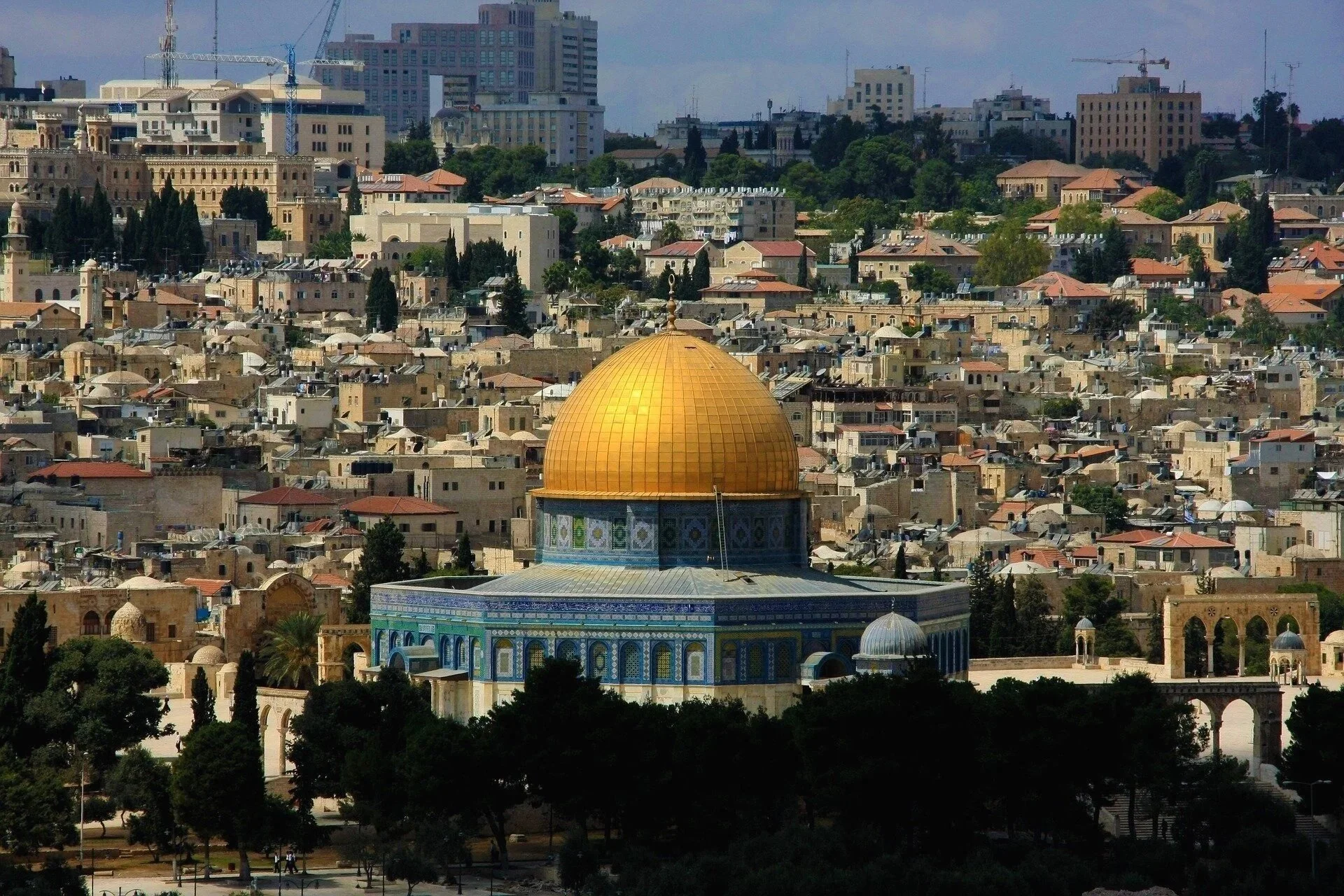
On November 4th 1995, the then Israel’s prime minister Ytzhak Rabin was killed. For many in the Middle East, not only Rabin was killed, but also the peace process, which he moved forward. Rabin was no peacenik, something he criticized at his inner party rival, Shimon Peres. Rabin was a soldier and a warrior. He had always the security of Israel and its predominately Jewish population on his mind.

STANDARD BLOG: 65 Jahre Neutralität, 25 Jahre EU-Beitritt: Ein Widerspruch?

STANDARD BLOG: 65 Jahre Neutralität, 25 Jahre EU-Beitritt: Ein Widerspruch?

Die europäische Integration als Modell zur Überwindung nationaler Konflikte hat viel für die innere, aber auch äußere Sicherheit beigetragen. 25 Jahre nach dem EU-Beitritt Österreichs sollten wir uns gerade am Nationalfeiertag, an dem die fast schon identitätsstiftende "immerwährende Neutralität" gefeiert wird, der Frage stellen, was dies heute noch bedeutet.

War in the Caucasus: The Moscow Deal, the continuous fighting and the role of the OSCE

War in the Caucasus:  The Moscow Deal, the continuous fighting and the role of the OSCE

What we are witnessing since late September in the Nagorno-Karabakh region is a new full-scale war. It is affecting civilians and soldiers alike on both sides with hundreds of casualties. Nevertheless, it took Russia as a regional stakeholder a long time to summon Azerbaijan and Armenia to Moscow for a high-level crisis meeting. After drawn-out deliberations on the 10th October, the rivals finally agreed to a humanitarian cease-fire for the purpose of exchanging prisoners and casualties. Despite a re-confirmation of the truce on the 17th October, fighting is still continuing.