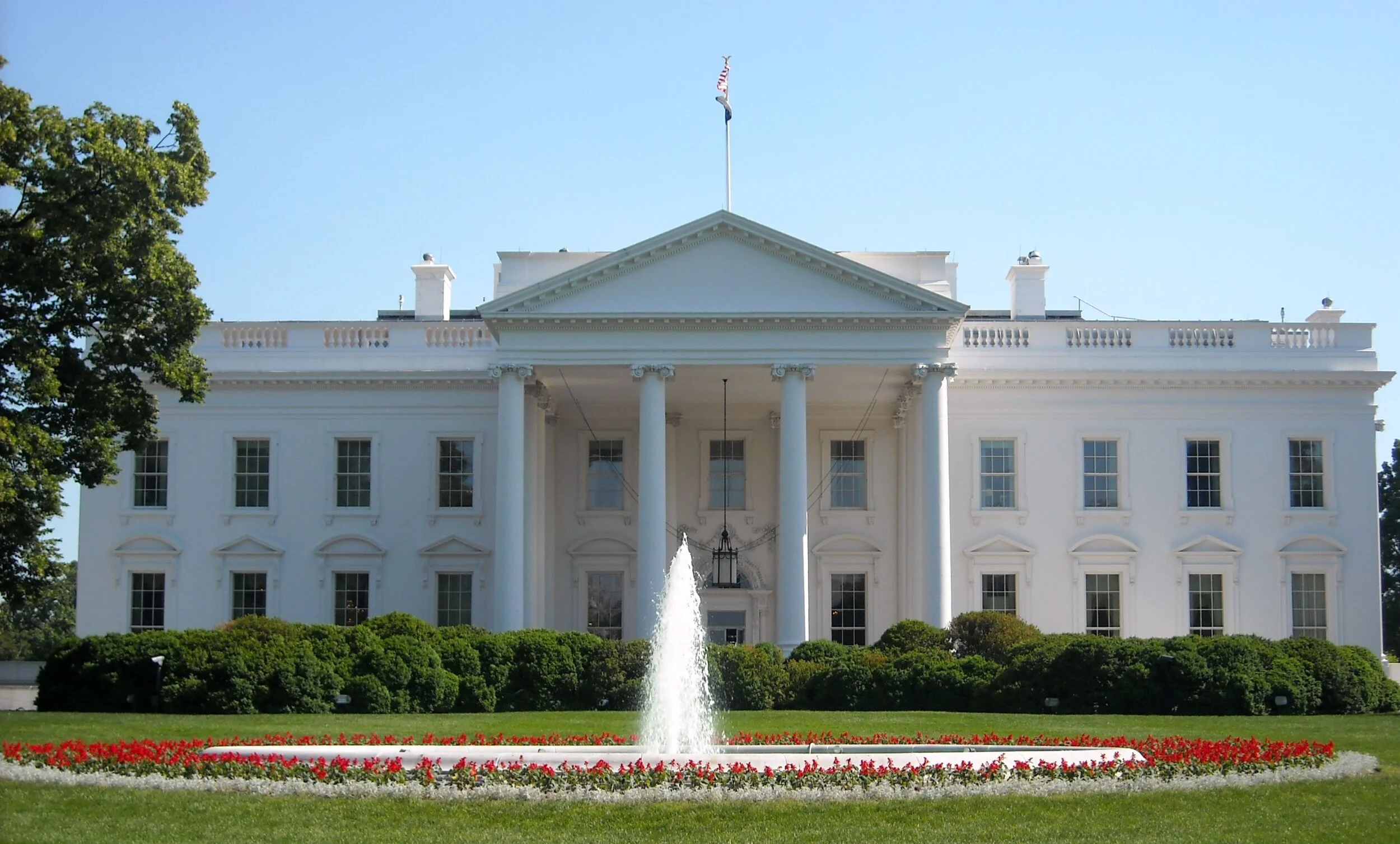
Twenty years on from the passage of Resolution 1325, to what degree have its stated aims been implemented or successfully achieved? How is gender currently incorporated in peace and conflict resolution efforts across the world today? And what is the role of gender in national security policymaking? This panel discussion will seek to answer these questions and more, as it commemorates the twenty-year anniversary of Resolution 1325.
"Nailing the Virus: How One Bosnian Canton Halted a Pandemic" - Adnan Ćerimagić for BalkanInsight 🗞️
Reforming the UN Security Council: A Discussion with Mona Ali Khalil and Angela Kane 🎬
Might Feminism Revive Arms Control? Why greater inclusion of women in nuclear policy is necessary and how to achieve it
Nonproliferation and disarmament of weapons of mass destruction - and more specifically of nuclear weapons - have been at the core of the international security architecture since the early days of the Cold War. Despite its significance, the discussion on gender and nuclear weapons has thus far been very limited, both in terms of research and practical implementation. This article seeks to explain the reasons why this might be the case, examine where the discussion stands today, and propose solutions on what could be done to move it forward.
"Trumps 'Nah-Ost-Plan'" - Heinz Gärtner für International 🗞️
Lebanese politics, economics, and security in the era of covid-19: An Interview with Sami Nader 🎬
Director of the IIP Stephanie Fenkart spoke with Professor Sami Nader, economist and Director of the Levant Institute for Strategic Affairs in Beirut on the impact of covid-19 in Lebanon on April 27, 2020. The interview addressed the political environment in Lebanon and the new government, the financial crisis faced by the country, as well as the impact of the pandemic on the previous year's protests and the refugee situation in the country.
Gastkommentar: COVID-19: Improvise, Adapt, Overcome — Auf der Suche nach der optimalen Exit-Strategie, in Österreich, in Europa, weltweit
Die Zahlen in Österreich lassen einen milderen Verlauf der Covid-19 Epidemie vermuten. Was war das Erfolgsrezept bzw. was sind die entscheidenen Parameter? Wo gibt es noch Verbesserungspotential, bzw. was können wir von asiatischen oder nordischen Ländern lernen? Welche Maßnahmenempfehlungen lassen sich für noch wenig betroffene Länder ableiten, oder auch für die EU und die internationale Gemeinschaft? Denn die Bürger wollen ihre Arbeit und ihre Freiheit zurück. Wie soll das zukünftige Krisenmanagement aussehen? Wie kann nun eine schrittweise strukturierte Lockerung der Maßnahmen auch aus der wirtschaftlichen und sozialen Krise führen? Eine Analyse.
American Domestic and Foreign Policy in the Era of Covid-19: An Interview with Heinz Gärtner 🎬
IIP Project Assistant Patrick McGrath spoke with Prof. Dr. Heinz Gärtner (IIP, University of Vienna) on the impact of the Covid-19 pandemic on US domestic and foreign policy, including US-China relations, the Trump administration's response, the upcoming presidential elections, and the prospects for Democratic Party.