
The International Institute for Peace (IIP), in cooperation with the Karl-Renner-Institut and FES Regional Office for International Cooperation, cordially invites you to the following event:
EU35 in 2035? Dreams, Illusions and Reality
Date: Monday, September 28, 2026
Time: 6.00 to 7.30 p.m
Venue: Urania Dachsaal, Uraniastrasse 1, 1010 Vienna
WELCOME
MICHAEL MEIER, Head of FES Regional Office for International Cooperation, Vienna
SASCHA OBRECHT, Director of the Karl-Renner-Institut, Vienna
KEYNOTE
IVAN KRASTEV, Permanent Fellow at the Institute of Human Sciences (IWM), Vienna
SPEAKERS
ANNIKA BEN-DAVID, Permanent Representation of Sweden to the International Organizations in Vienna
LUIZA BIALASIEWICZ, Professor of Political and Economic Geography, Ca'Foscari University of Venice
MODERATION
HANNES SWOBODA, President of the International Institute for Peace, Vienna
CONTENT
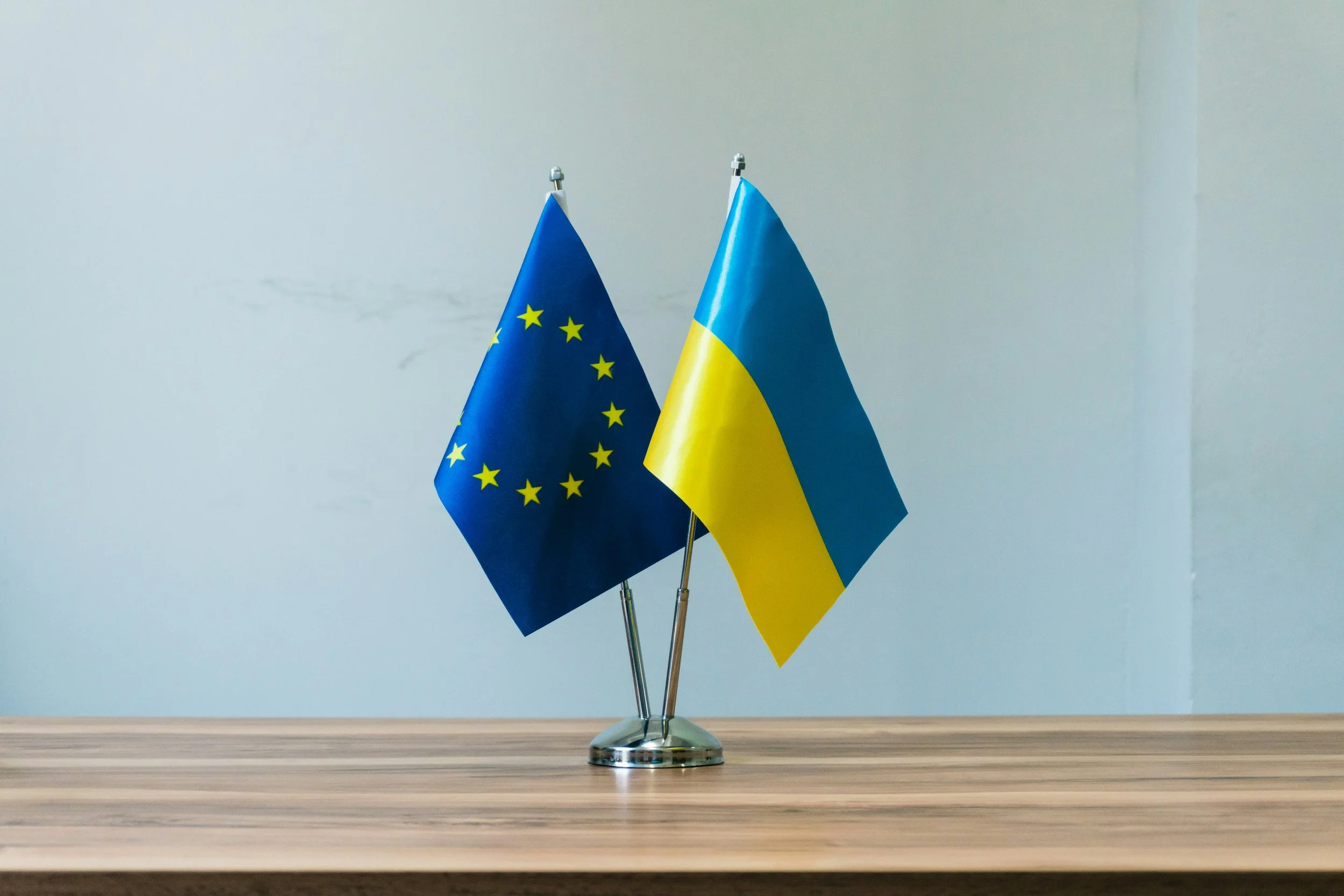
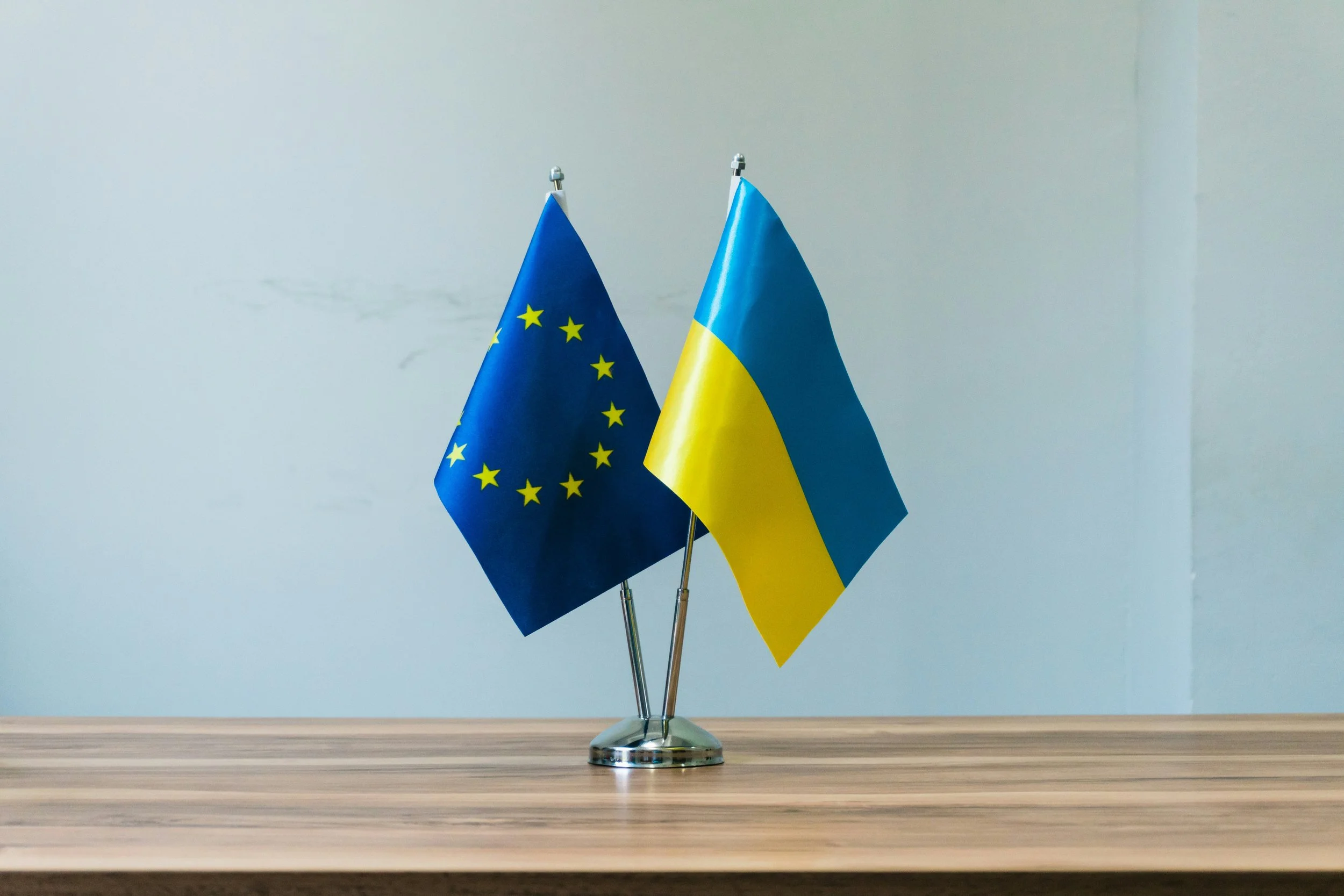
The European Union has considered admitting Ukraine as a member as early as next year. Is this realistic? And what does it mean for other candidate states that have waited for their turn for years, if not decades? Most of all, what would such an enlarged EU look like and how would it operate if one of its member states was at an active war? New forms of integration are being put on the table to accommodate ‘special circumstances’ of Ukraine as well as some other candidate countries. Concepts such as ‘enlargement light’, ‘gradual integration,’ and ‘reverse enlargement’ describe this new approach, in which political membership in the bloc could come first, with domestic reforms and EU benefits following after. More sceptical observers describe this as ‘second-class membership’ or ‘membership halfway.’ But can the EU afford not to pursue such a path?
This discussion will try to imagine what an enlarged EU in 2030–2035 could look like and where an alternative scenario of not enlarging would leave the bloc. What place could Ukraine, Moldova, and the EU members in the Western Balkans have in it? What kind of relationships would this enlarged EU have with its neighbours, especially Russia and the United States? What kind of global actor would the Union be in such a constellation? The discussants will talk about these and other issues trying to offer a vision of Europe beyond the horizon of crisis.
This panel is the highlight of this year’s Vienna Peace and Security Talks with a special focus on Ukraine.
PLEASE SHARE WITH YOUR NETWORK!
The discussion will be held in English.
By participating in this event, you agree that any photos or recordings taken that include footage of your person may be published or used in any other way by the organizers of the event.